How To Choose A Photo Book Size For Grandparents
A practical step-by-step guide to how to choose a photo book size for grandparents, including preparation, instructions, common issues, tips, and next steps.
How To Choose A Photo Book Size For Grandparents
Choosing the right photo book size for grandparents is about balancing readability, handling comfort, and meaningful display. A book that is too small makes photos hard to see, while one that is too large becomes heavy and awkward. This guide helps you select a size that suits their eyesight, living space, and how they like to share memories, ensuring the gift is both practical and cherished.
Fast Answer
- For most grandparents, a medium-sized book that is easy to hold and shows photos clearly works best, so check their hand strength and eyesight first.
- Before ordering, measure where they will keep the book and ask if they prefer a lightweight book or a larger display piece.
Before You Start
- Gather information about the grandparents' eyesight, hand strength, and any physical limitations that affect holding or reading, so the book size supports comfortable use.
- Think about where the book will live: on a coffee table, a shelf, or a bedside table, and measure that space to avoid a size that is too large or small for the spot.
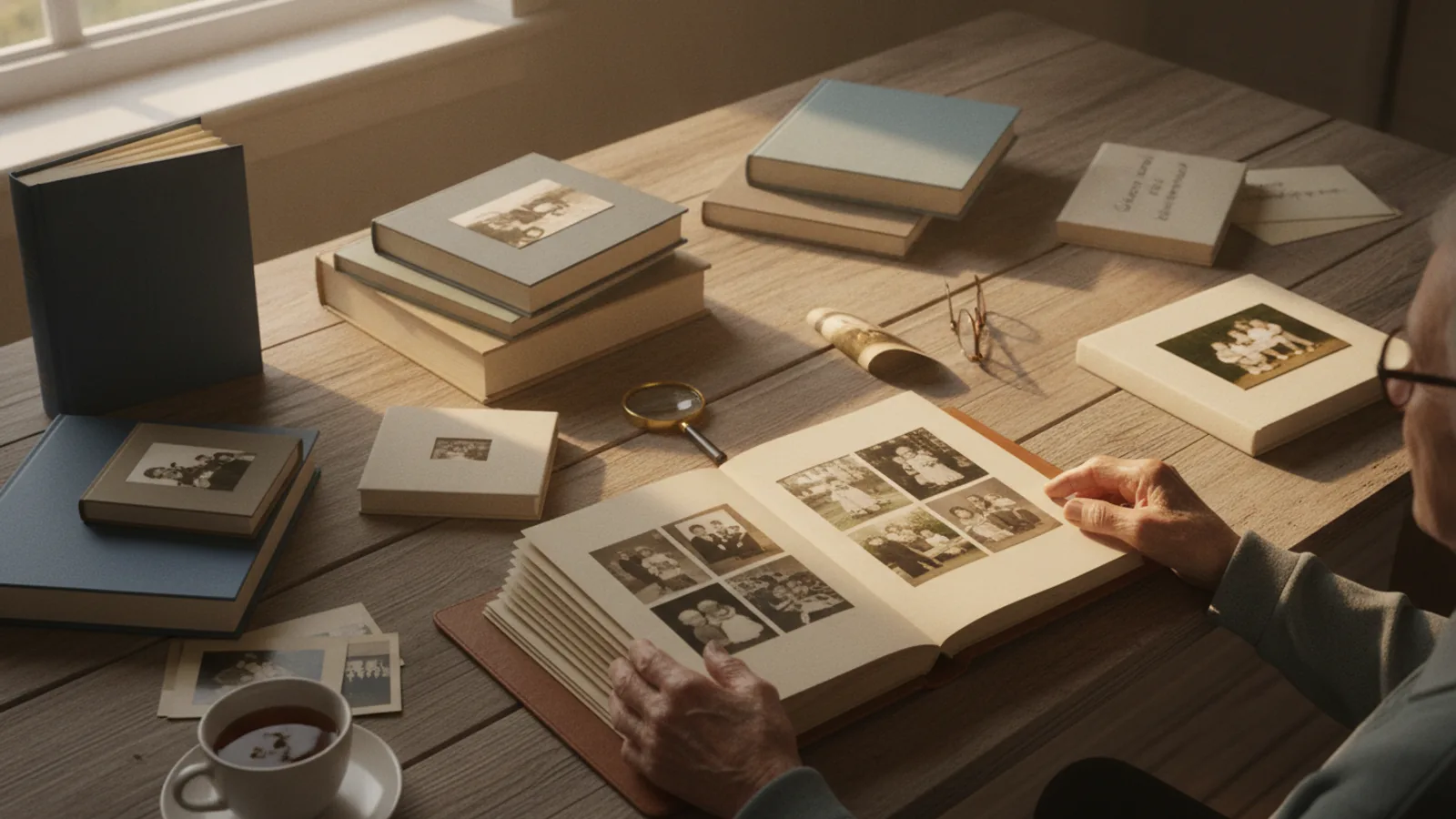
- Consider how they share photos: if they often show books to visitors, a larger size may be better for group viewing, while a smaller size suits private browsing.
- Decide on the number of photos and whether you want one image per page or multiple, as this affects the ideal book size for clarity and layout.
Step-by-Step Instructions
Assess Their Physical Comfort
Start by observing or asking about how the grandparents hold and read books. Do they have arthritis, tremors, or limited grip strength? Can they comfortably hold a hardcover novel for several minutes? If they tire easily, a smaller, lighter book will be easier for them to manage. If they have a sturdy lap or table, a larger book might be fine. Practical check: ask them to hold a similar-sized book from their shelf and note any discomfort. This matters because a photo book that is difficult to hold will not be enjoyed often, no matter how beautiful the photos are.
Match Size to Eyesight and Photo Detail
Consider how well the grandparents see small details. If they wear glasses and still struggle with fine print, larger photos will be easier to appreciate. For group shots with many faces, a bigger page helps everyone be recognizable. If the photos are mostly close-ups or simple scenes, a smaller size can still work. Practical check: show them a photo on a phone screen and then on a printed page of a similar size to your intended book, and ask which is easier to see. This check matters because the goal is for them to enjoy the photos without squinting, which keeps the book a pleasure rather than a strain.
Measure the Display Space
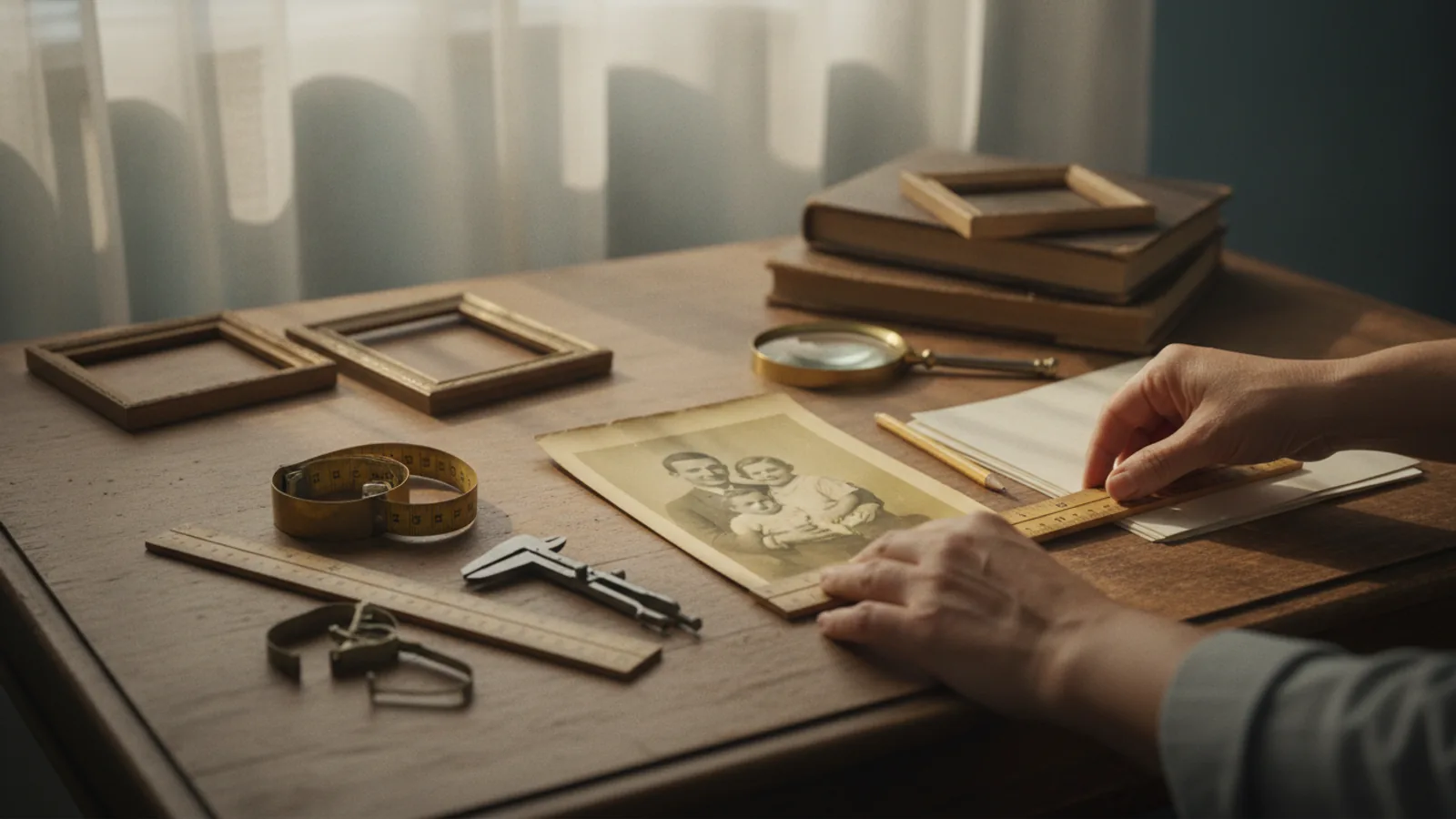
Think about where the book will be kept and used. Is there a coffee table with limited surface area? A shelf with height restrictions? A bedside table that is small? Measure the available space with a tape measure, noting both width and height. If the book will sit on a table, leave room for a lamp or cup. If it will be stored on a shelf, check the shelf's depth and height. Practical check: use a piece of cardboard cut to the size of your intended book and place it in the spot to see if it fits well. This check matters because a book that does not fit will likely be stored away and forgotten, defeating the purpose of a display gift.
Consider How They Share With Others
Grandparents often share photo books with family and friends who visit. If they enjoy passing the book around, a larger size can be better for group viewing, as more people can see at once. However, a very large book may be awkward to pass. A medium size is often a good compromise. If they mostly look at it alone, a smaller size is fine. Practical check: ask them if they plan to show the book to visitors or keep it private. This matters because the social aspect of sharing can be a big part of the joy, and the size should support that without causing strain.
Balance Photo Quantity and Layout
The number of photos and how you arrange them affects the ideal size. If you have many photos and want several per page, a larger page prevents a cluttered look. If you prefer one large photo per page, a smaller book can still showcase each image well. Think about whether you want full-page spreads or smaller inset images. Practical check: create a rough layout on paper using the intended page dimensions, and see if the photos look balanced. This check matters because a size that is too small for the layout can make photos feel cramped, while a size that is too large for few photos can feel empty and wasteful.
Test a Mockup Before Ordering
Before you commit, make a simple mockup using folded paper or cardboard cut to the size you are considering. Place printed photo copies or even blank squares where photos would go. Hold the mockup as the grandparents would, and see if it feels comfortable. Leave it in the intended spot for a day to see if it is in the way. Practical check: ask the grandparents to handle the mockup and give feedback on weight and size. This check matters because it catches problems early, before you spend money on a custom book that might not suit them, ensuring the final product is a true fit.
Quick Reference
| Situation | Action | Why it helps |
|---|---|---|
| Grandparent has limited hand strength or arthritis. | Choose a smaller, lightweight book, and consider a softcover instead of a heavy hardcover to reduce strain. | A lighter book is easier to hold and turn pages, so they can enjoy it independently without pain or assistance. |
| Grandparent loves to display books on a coffee table for guests. | Select a larger, hardcover book that lies flat and has a sturdy cover, and measure the table to ensure it fits without crowding. | A larger book makes a visual statement and allows multiple people to view photos at once, enhancing shared experiences. |
| Grandparent has poor eyesight and struggles with small details. | Opt for a larger page size with fewer photos per page, and ensure captions are printed in a large, clear font. | Larger images and text reduce eye strain, making the book accessible and enjoyable without magnification. |
Common Issues
- The book is too heavy for the grandparent to lift comfortably.: Return or exchange for a smaller size or a lighter cover material. In the future, test the weight of a similar book before ordering, and consider a softcover or spiral binding to reduce heft.
- The book does not fit on the intended shelf or table.: Measure the space before ordering and compare to the book's dimensions. If it is too late, find an alternative spot like a basket or a different table, or exchange for a size that fits properly.
- Photos appear too small or cramped on the page.: Choose a larger size or reduce the number of photos per page. You can also crop photos to focus on key subjects, or use full-page layouts for important images to maximize visibility.
Advanced Tips
- Consider a lay-flat binding for easier page turning and viewing, especially for those with limited dexterity.
- If the grandparent uses a walker or wheelchair, a book that can rest on a lap tray or attached table may be ideal; measure the tray space.
- For long-distance grandparents, a smaller size may be easier to pack and ship, but ensure it is still large enough for comfortable reading.
Final Checklist
- Confirm the grandparent's physical abilities and preferences regarding weight and size.
- Measure the intended display or storage space and compare with book dimensions.
- Review the photo layout and number of photos to ensure the size supports clarity.
- Create a mockup and get feedback from the grandparents or their caregiver before ordering.
FAQ
What is the best photo book size for a grandparent with arthritis?
A smaller, lightweight book is usually best. Look for softcover or spiral-bound options that are easy to hold and turn. Avoid heavy hardcovers. A size that can be held with one hand or rests comfortably on a lap is ideal. Always test with a similar weight book first.
Should I choose a large photo book for a grandparent who loves to share?
A larger book can be great for sharing because more people can see the photos at once. However, ensure it is not too heavy to pass around. A medium-to-large hardcover that lies flat is often a good compromise. Check that it fits on their table and that they can lift it comfortably.
How can I make sure the photo book size is right without visiting in person?
Ask the grandparent or a caregiver to measure a similar book they already own and enjoy. You can also mail a mockup made of cardboard cut to size for them to handle. Video calls can help you see them interact with the mockup. Their feedback is the best guide.