How To Interview A Parent About Their First Home
A practical step-by-step guide to how to interview a parent about their first home, including preparation, instructions, common issues, tips, and next steps.
How To Interview A Parent About Their First Home
Interviewing a parent about their first home is one of the most rewarding family history projects you can take on, but it works best when you prepare carefully and let the conversation breathe. A first home is rarely just a building; it is a storehouse of small routines, neighborhood characters, hard-won habits, and memories that shaped how your family lives today. This guide walks you through choosing a calm setting, asking open-ended questions in a sensible order, following emotional cues, capturing the details accurately, and turning rough notes into a keepsake others can enjoy.
Fast Answer
- Set aside ninety unhurried minutes in a quiet place, bring two recording methods plus a backup battery, and ask about the first home from the outside in, starting with the street and ending with how it felt to leave.
- Follow emotion over your question list, pause after each answer, and write down names, dates, and sensory details within an hour while they are still fresh.
Before You Start
- Choose a quiet, familiar setting with comfortable seating, good light, and few interruptions, and ask your parent to pick the room where they feel most relaxed.
- Prepare a loose list of topic prompts rather than a rigid script, covering the street, the front door, each room, neighbors, routines, and the day they moved out.
- Test your recording setup before the interview, bring spare power and storage, and keep a paper notebook as a backup in case a device fails.
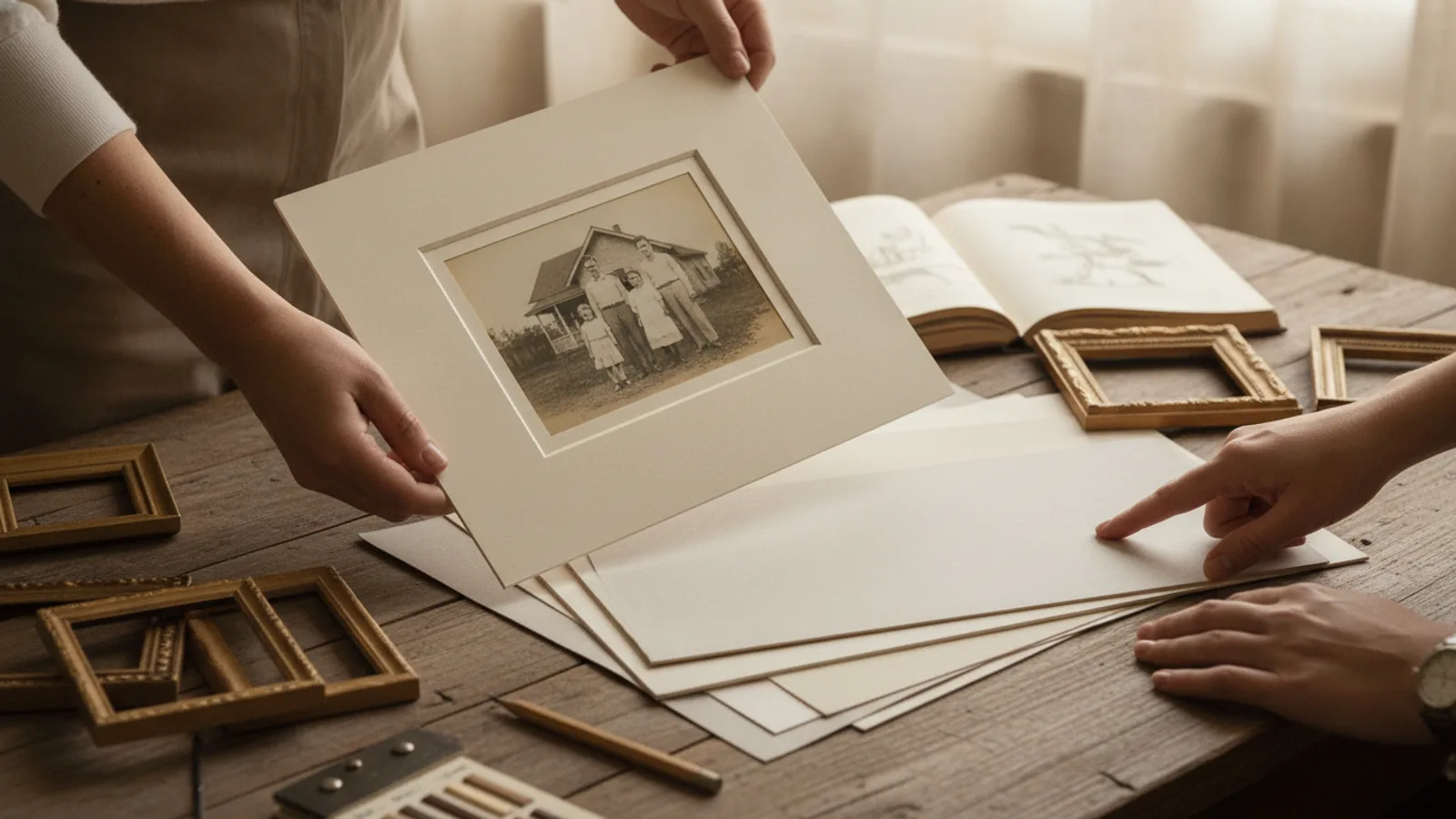
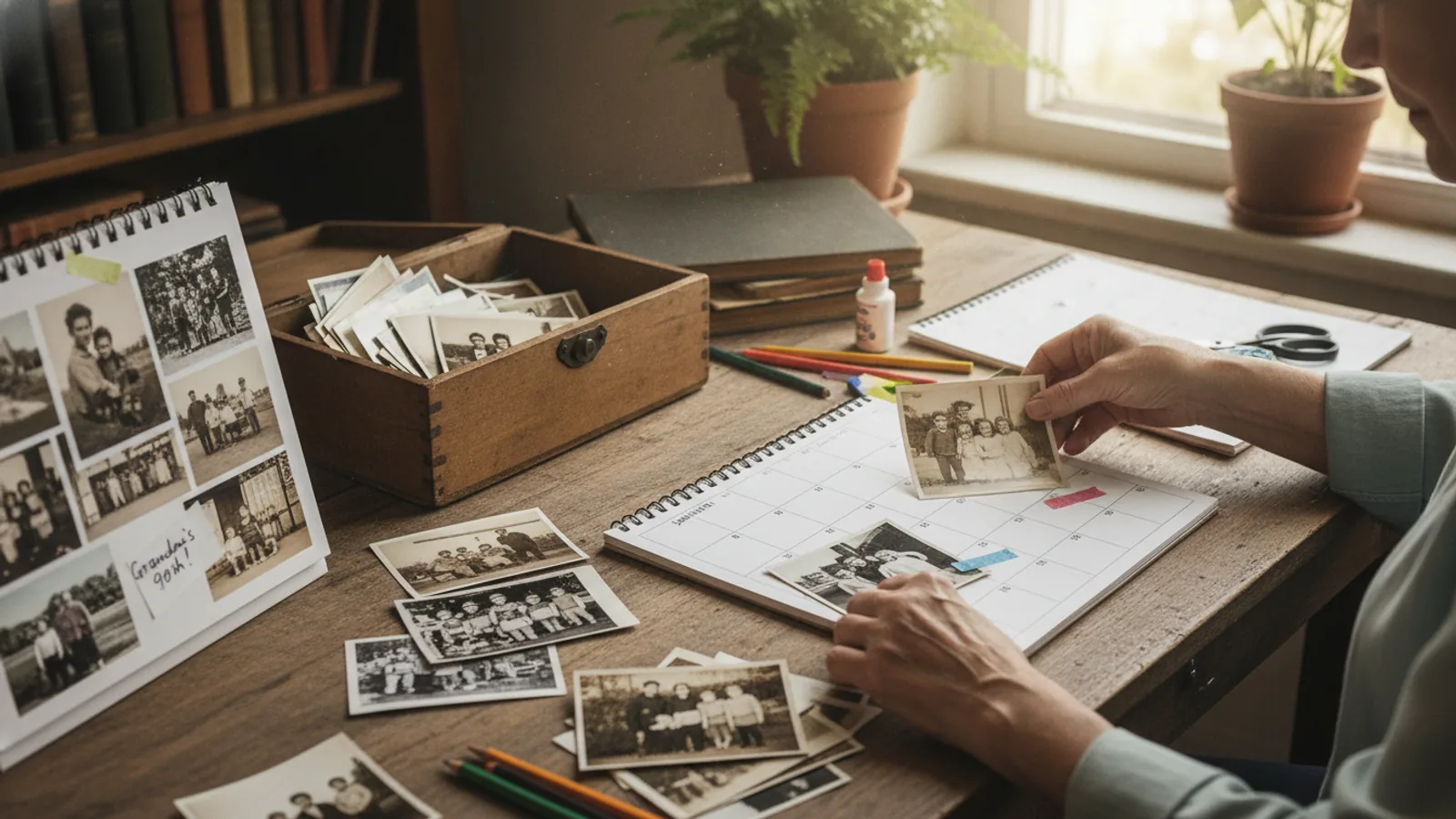
- Gather a few visual anchors such as old photographs, a key, or a household object from that era to help memory surface naturally.
Step-by-Step Instructions
Set the tone and get permission
Begin by explaining what you hope to do and why it matters to you. Say plainly that this is a conversation, not a test, and that your parent can skip any question or stop at any point. Ask permission before recording and confirm how the recording will be stored and who might hear it. Then start with an easy warm-up question, such as what they remember about the weather on moving day or who helped them carry boxes. This first check matters because consent and comfort shape everything that follows; a parent who feels rushed or ambushed will give short, guarded answers, while one who feels in control will often open up for far longer than you expected.
Start with place, not feelings
Ask about the physical setting before asking about emotions. Where exactly was the first home, what did the street look like, what was next door, and how did they usually get there? Move from the outside in: the neighborhood, the building or yard, the front door, then each room in turn. Concrete questions give memory something to hold onto, and feelings usually arrive on their own once the details are flowing. Use a practical check here by repeating back what you heard in your own words, such as the layout or the color of the kitchen, and let your parent correct you. That simple mirroring confirms you understood, and it often unlocks a forgotten detail they had not thought about in years.
Ask about daily routines and people
Once the place is clear, turn to ordinary life. What time did they wake, who made breakfast, where did they sit, and what sounds filled the home in the evening? Ask about the people who passed through: neighbors, landlords, roommates, siblings, and any pets. Everyday routines are the backbone of a good home story because they reveal how a space was actually used rather than how it looked in a photograph. As a check, ask one follow-up for every general answer, such as who else was there or what happened next. That habit matters because first answers tend to be summaries, and the specific scenes you want usually appear only after the second or third gentle nudge.
Follow emotion and pause
Watch for changes in pace, tone, and posture, because those signals tell you when a topic carries weight. When your parent slows down or looks away, resist the urge to fill the silence. Count silently to five and let them decide whether to continue. If a memory turns painful, acknowledge it briefly, offer to move on, and follow their lead rather than probing for a dramatic story. This check matters because the goal is a truthful record, not a tearful one; pushing past someone's comfort can close the conversation entirely. If they choose to continue through a hard memory, stay quiet and attentive, and mark the moment in your notes so you can handle it thoughtfully later.
Capture details before you leave
Near the end, review your notes aloud and fill the gaps while your parent is still in the room. Confirm spellings of names and places, check approximate years, and ask about anything that seemed unclear. Then request one last look around the memory: what did the home smell like, what was the view from the main window, and what small object do they still associate with that time? Write these sensory details down immediately, because they fade fastest and they are what make a story vivid later. A final practical check is to back up any recording and photos before you leave the house, since a lost file cannot be recovered once you have driven away and the moment has passed.
Organize and share the story
Within a day or two, write a short summary from your notes while the conversation is still vivid. Organize it chronologically, from finding the home to leaving it, and separate clear memories from uncertain ones. Add a brief note at the top explaining how the interview was conducted and where gaps remain. Then share a draft with your parent and invite corrections, which honors their ownership of the story and usually improves accuracy. As a final check, confirm that everyone mentioned is comfortable with how the material will be used and who will see it. This step matters because a family history belongs to the people in it, and a shared review prevents small errors from hardening into a permanent record.
Quick Reference
| Situation | Action | Why it helps |
|---|---|---|
| Your parent gives a one-word answer and the conversation stalls. | Switch from a broad question to a concrete sensory one, such as what the front door looked like or what they ate for breakfast there, and wait five seconds before speaking again. | Specific sensory prompts give memory a foothold, and the silence gives your parent room to search for an answer instead of letting you rescue the moment. |
| Your parent becomes emotional while describing a difficult period in that home. | Lower your voice, acknowledge the feeling in one short sentence, and offer to skip ahead or pause, then follow whatever they choose without pushing for more detail. | Respecting the boundary keeps trust intact so the interview can continue, and it prevents a painful memory from ending the conversation for good. |
| You are unsure whether a date or name is accurate. | Repeat the detail back, ask how certain they are, and mark it as approximate in your notes rather than correcting them or insisting on a precise figure. | Memory naturally blurs over time, and flagging uncertainty honestly keeps your record useful without turning the interview into an interrogation. |
Common Issues
- Your parent keeps drifting into stories about a later home or a different period of life.: Do not interrupt; let the story finish, then gently anchor back with a question tied to the first home, such as what was different about the kitchen there. Later homes often hold clues that help date the earlier memories.
- The recording is unusable because of background noise or a forgotten start.: Keep a written outline with timestamps as you go, and repeat the most important answers back in summary form at the end so you still have the key material even if the audio fails.
- Relatives disagree about details such as who lived there or when they moved.: Record each version separately with the speaker's name attached, present both in your final write-up, and note the disagreement rather than deciding which account is correct.
Advanced Tips
- Interview your parent twice, several weeks apart, and ask the same core questions both times; the second telling often reveals details the first one skipped because memory keeps working between sessions.
- Pair the interview with a map or street view of the old neighborhood and let your parent narrate what changed, which often surfaces vivid comparisons and sense-of-place details.
- Ask what they would tell their younger self about that first home, a reflective question that tends to produce the most quotable and emotionally honest lines of the whole project.
Final Checklist
- Confirm your parent is comfortable with the recording, the notes, and everyone who may read or hear the final version.
- Verify that names, places, and approximate dates were read back aloud and marked clearly as certain or uncertain.
- Back up every audio file, photograph, and note in a second location before you begin writing the summary.
- Share a draft with your parent and invite corrections before giving copies to anyone else in the family.
FAQ
How long should the interview last?
Plan for about ninety minutes with a break in the middle, and let your parent decide whether to continue. Shorter sessions of forty-five minutes on two separate days often produce richer detail than one long sitting, because fatigue narrows answers and memory needs rest between tellings.
What if my parent says they do not remember much?
Start with physical details instead of dates and feelings, such as the view from a window or the walk to the front door. Most people who claim a poor memory can describe concrete objects and routines once the questions become specific, and those details usually reopen the broader story.
Should I record audio or just take notes?
Use both when possible, since each covers the other's weakness. Audio captures tone, pauses, and exact wording, while notes let you keep eye contact and stay present. Test your setup beforehand, keep a paper backup, and confirm your parent agrees to the recording.