A place for memories in a smaller home
Make a few objects visible and keep the rest organised, not forgotten.
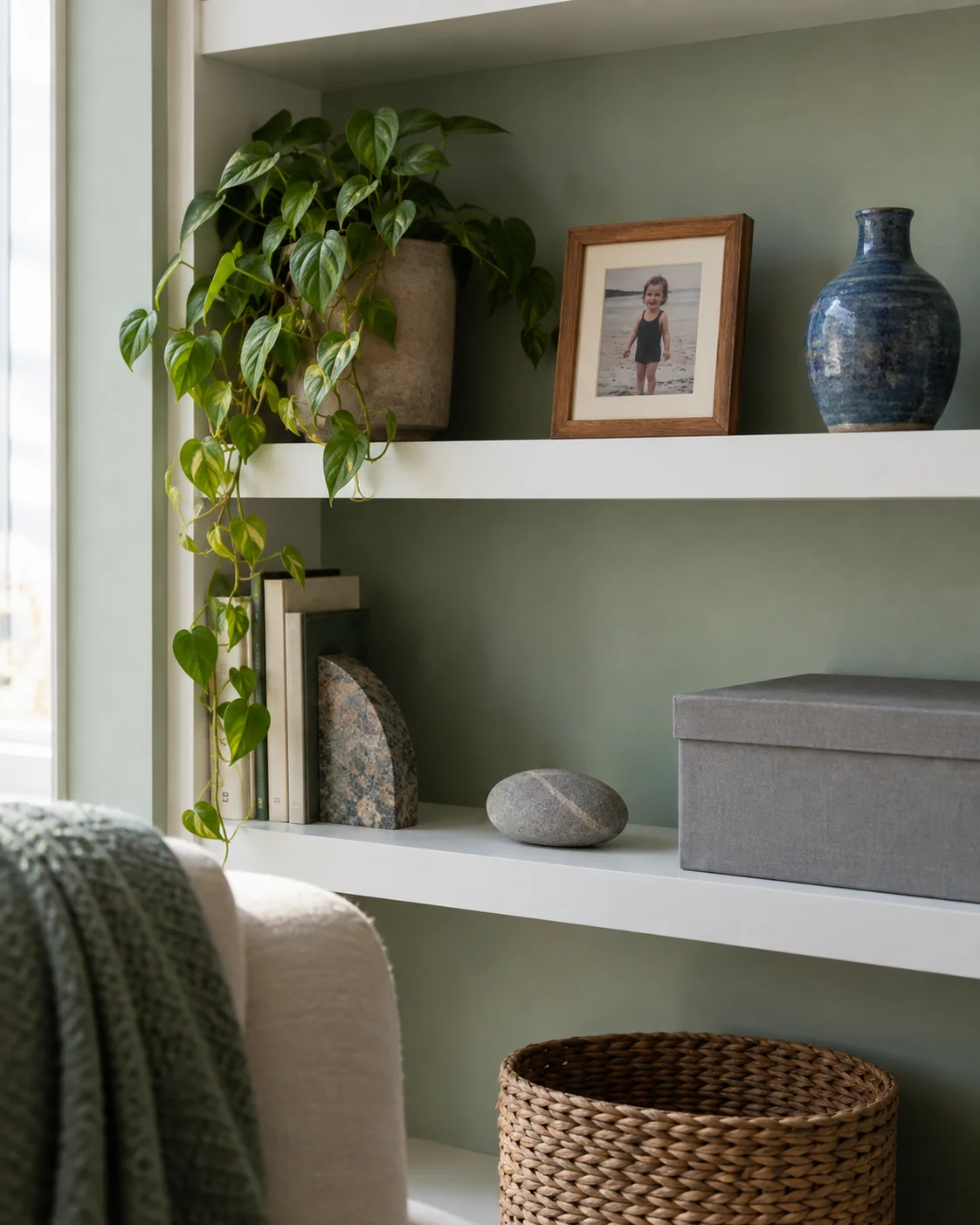
Separate display from safekeeping
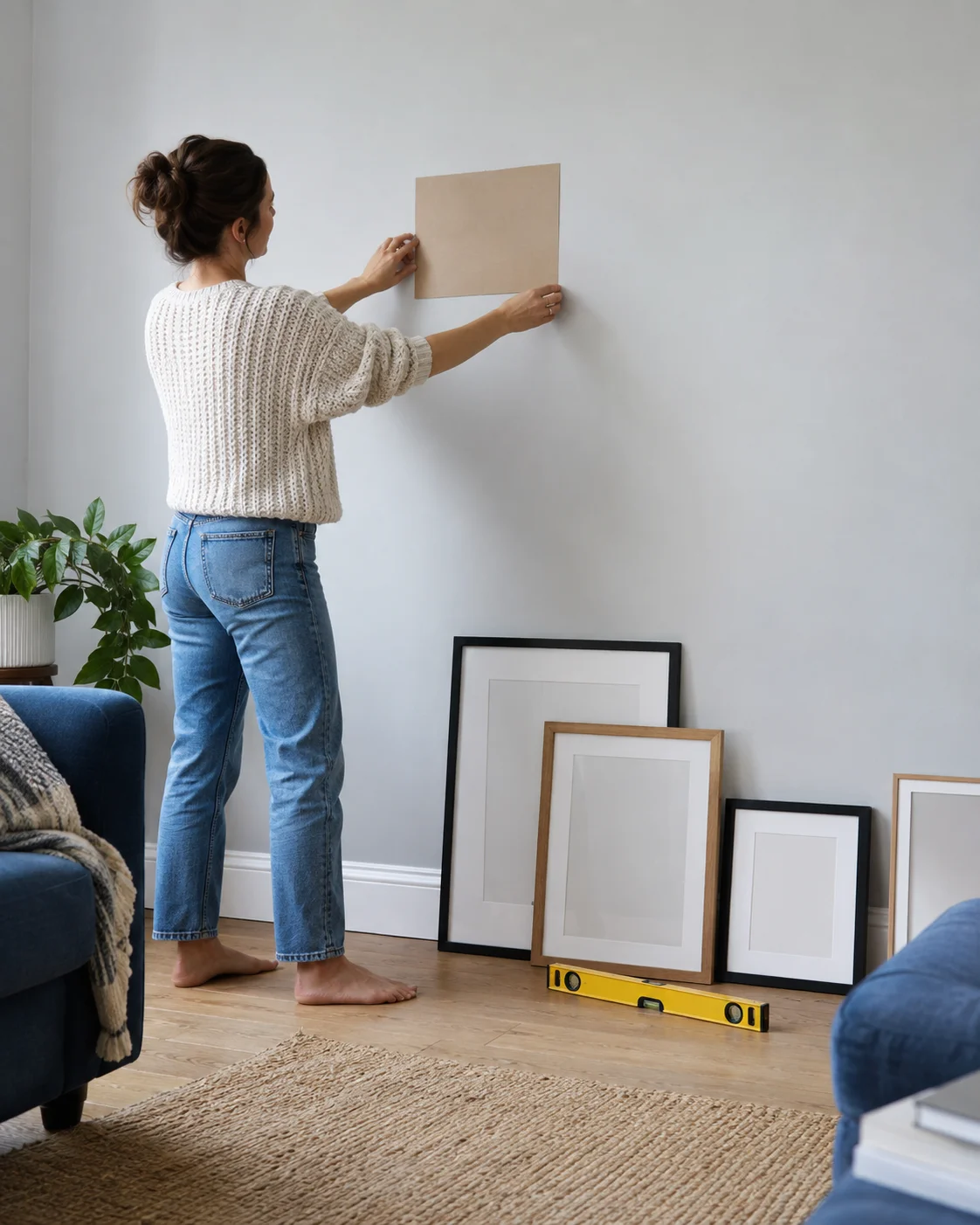
Choose a small number of objects you want to see every day and keep the rest in clearly labelled storage. This is not a judgment about which memories matter most. Some items are too delicate, light-sensitive or private to display. A photograph of an object can take its place on a shelf while the original is stored appropriately. Before buying more storage, measure the space and look at the collection you actually have rather than an imagined future collection.
Make a simple inventory
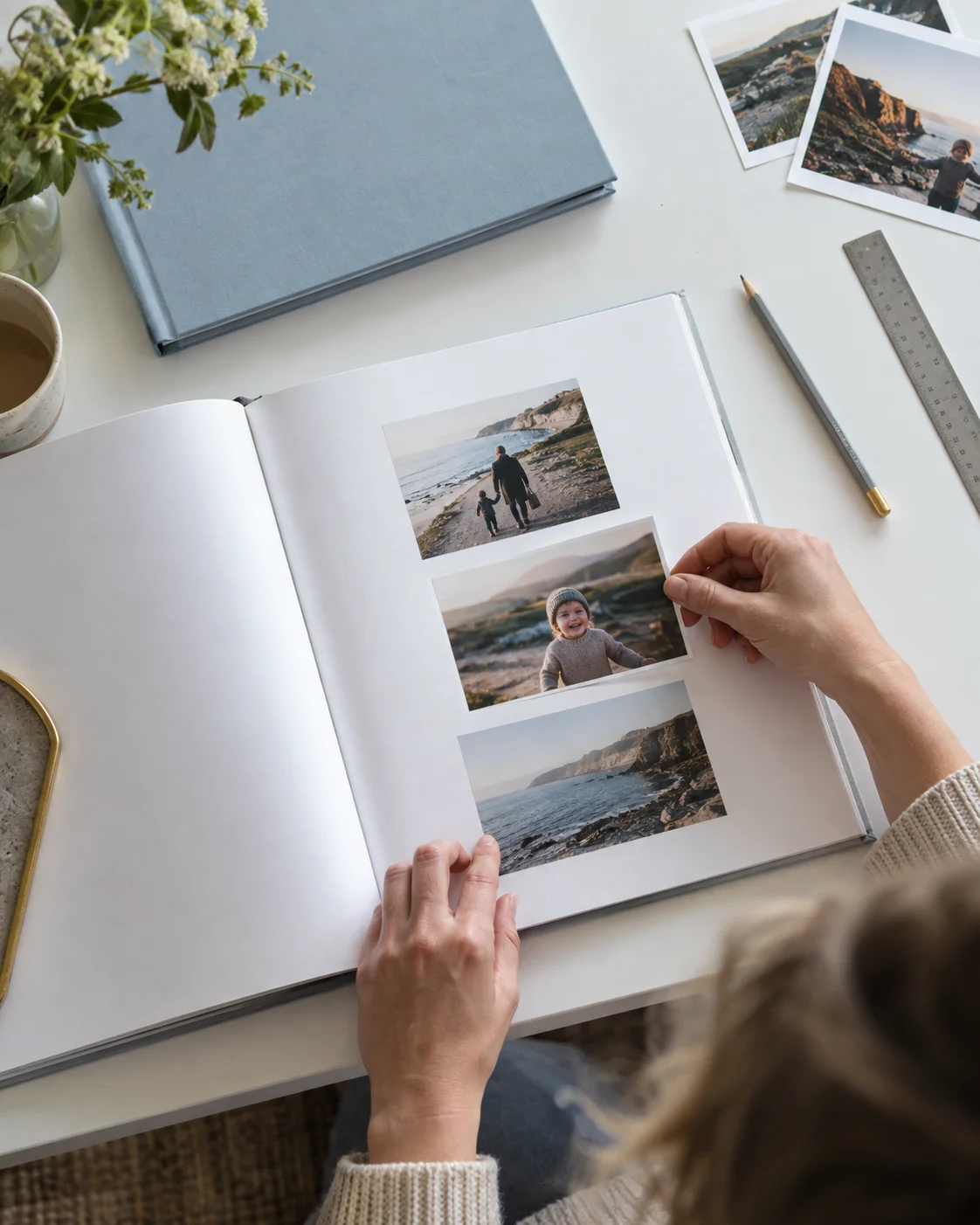
Write a short list with a photograph, the item's location and the story attached to it. Keep an accessible copy for the family. Avoid writing sensitive information on the outside of boxes. Store unlike materials separately when needed and do not pack fragile objects so tightly that removing one damages another. A decorative box can look good on a shelf without being suitable for fragile documents. Check materials and seek specialist advice for items with particular conservation needs.
Rotate with intention
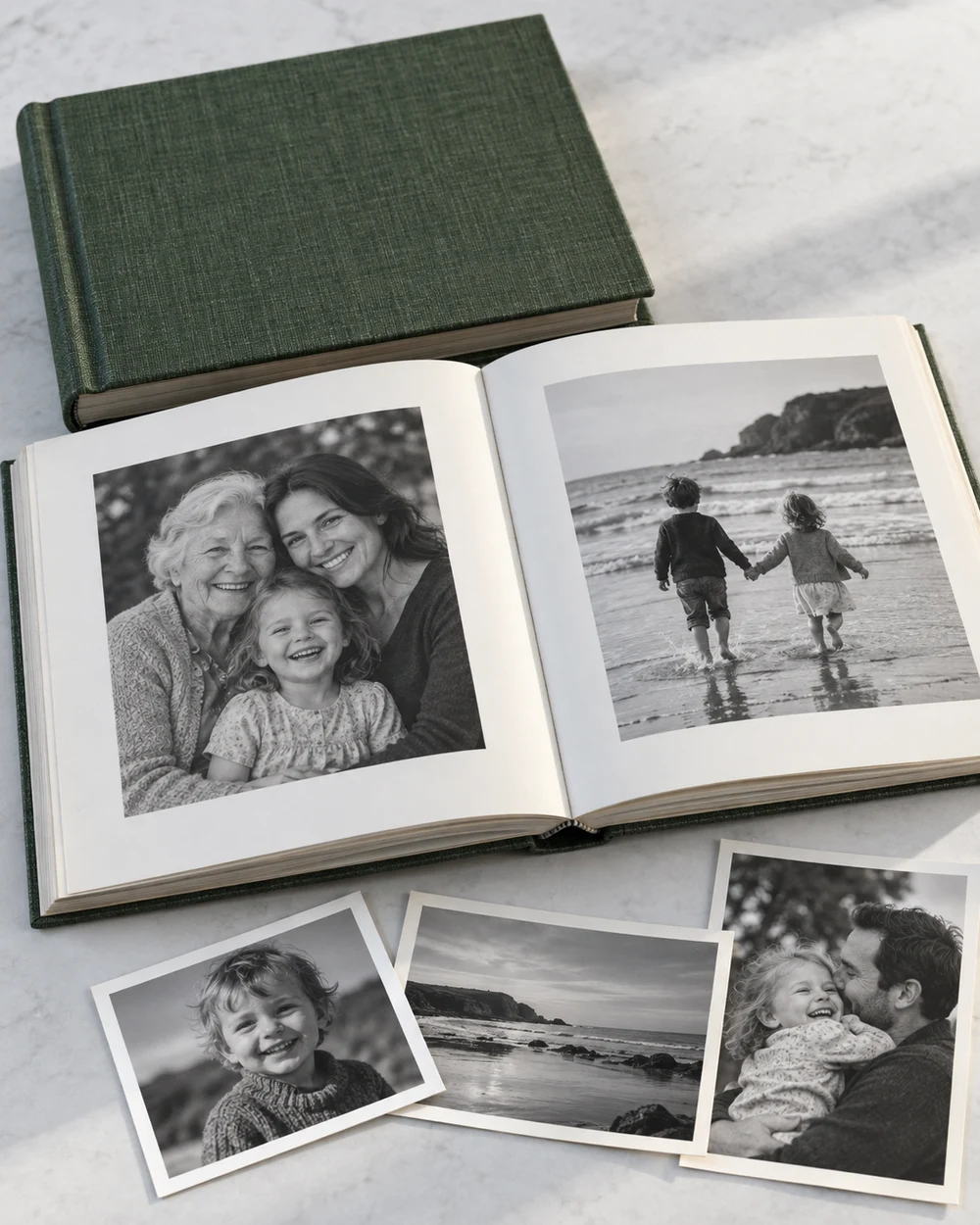
Changing a few displayed objects each season can make a small collection feel present without crowding a room. Keep the storage location consistent so rotation does not turn into losing things. Talk to relatives before donating something with shared significance. Digitising a letter or photographing a keepsake can support the decision, but it does not always replace the original. Give yourself permission to keep a small, understandable collection that fits your home and can be passed on with its stories intact.
Keep original files and objects safe, and ask permission before sharing another person's story.
Illustrative imagery. Our editorial approach.